Blogs
2
Planning & Designing Spaces for Advertisement in & around Chandigarh Bus Terminals & Depots |
Studio Designopedia has been extensively involved in varying range of projects from Micro scale to Macro scale. The project was undertaken with Chandigarh Transport Undertaking to identify & design advertisement potential spaces for ISBT 17, ISBT 43 & CTU workshops. The project focus on the spaces allocation for advertisements with a design approach implicitly targeting aesthetics, more marketing, more utility & more revenue generation. The Project started with reconnaissance of the aforementioned sites. Furthermore, suggesting suitable interventions for the sites.
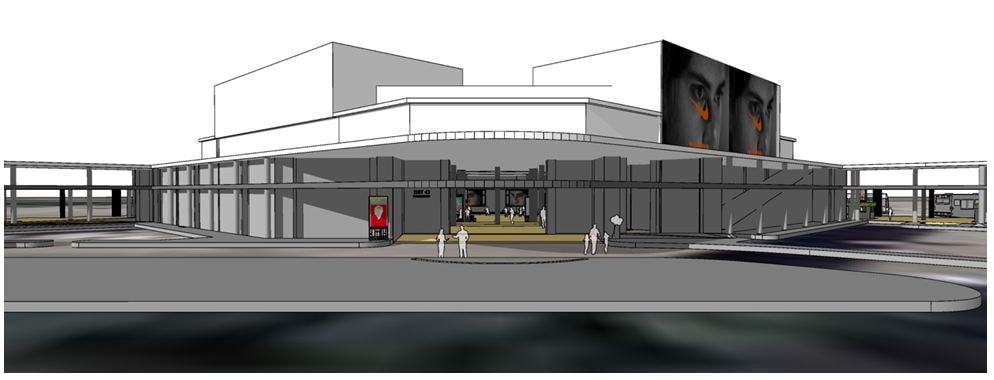
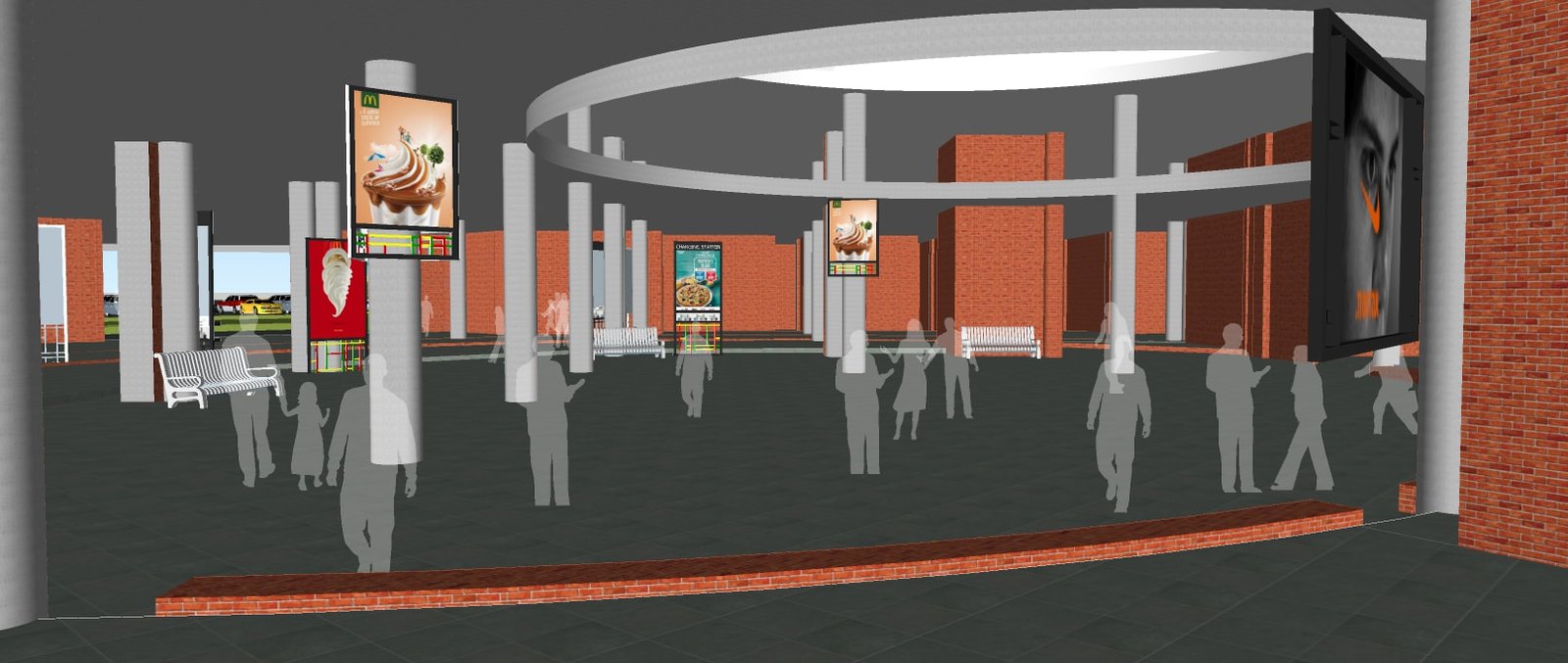
The advertising potentials for the sector- 43, the layout & footfall of the site was assessed, therefore a strategy was developed in order to identify the suitable locations at the site. The site of sector-43 & sector 17 were demarcated on the basis of zones and potentials of advertisements
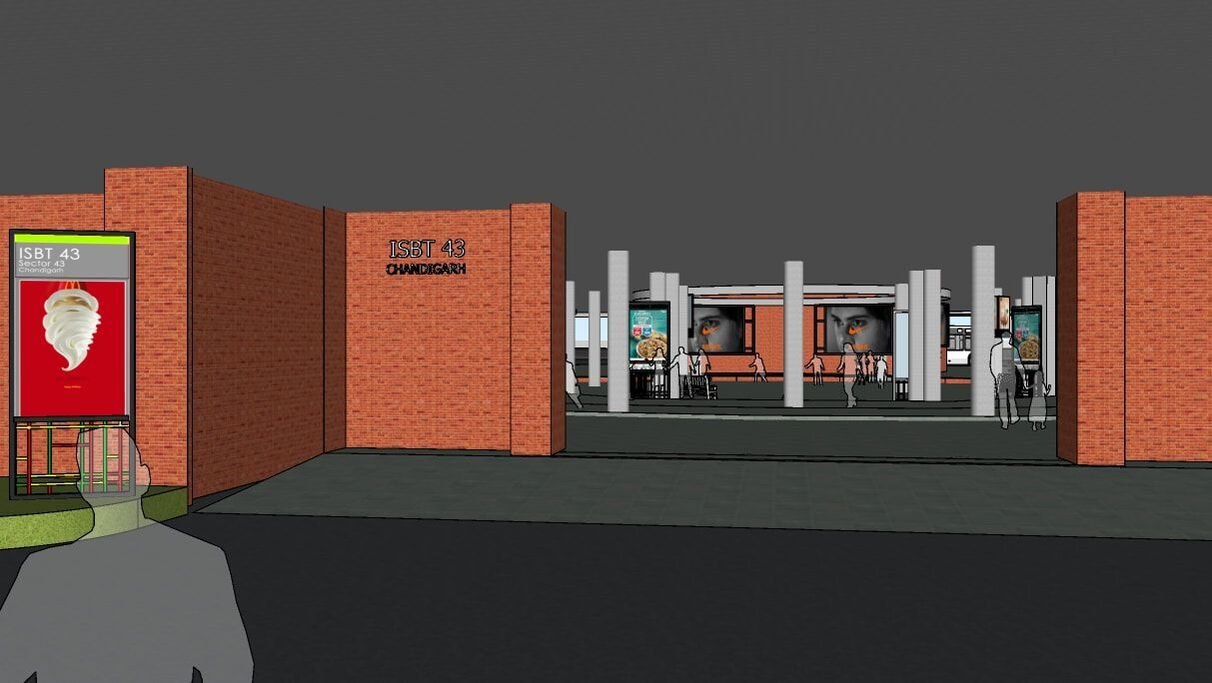
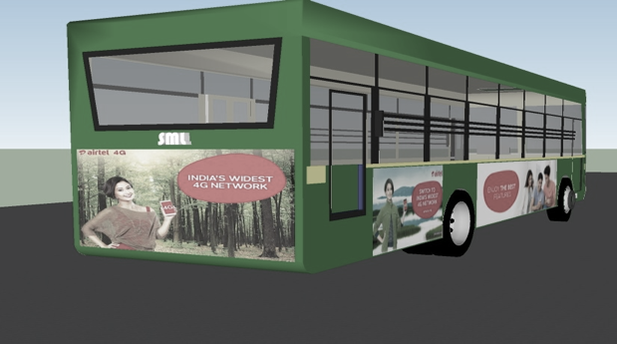
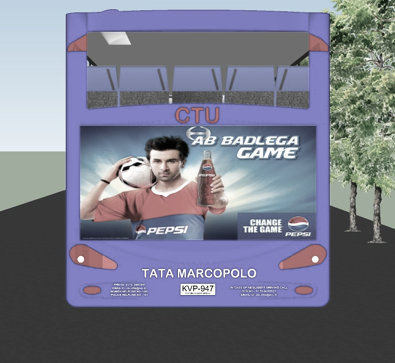
The preliminary stage, post reconnaissance survey was to assess the layout of the ISBTs of Chandigarh, this briefly describes the need for advertisements & addresses the growing demands of advertisements. The view prospects were created with the rationale of knowing how the proxemics affects the advertisement locations. The 3D views were developed by team studio designopedia to imagine, how individual perceives surroundings. After proposing advertisements for ISBTs of Chandigarh, the next task was to define new strategies for mobile advertisements. The task focussed on the underlying principles of aesthetics and space availability for advertisements on CTU Buses, the advertisements should not cover any essential CTU’s information. The advertisements for Buses inculcated external advertisements as well as external advertisements. The project also incorporated the proposed advertisement potentials for CTU Bus depots. To ascertain the advertisementefficiency, different scenarios were created & the optimal mix scenario was undertaken for the advertisements.
A Trial to Revive a Craft
Turned wood toys has been the specialty of this small place in Madhya Pradesh, called as ‘Budhni”. The place has prominent importance, as it is regarded as constituency of CM Shri Shivraj Singh Chauhan. This place was earlier, very well known for manufacturing toys from the locally grown wood moreover, tiny colorful strollers for kids . The art of local craftsmen, earlier was locally evident, which has drastically declined over the years. It is painful, rather than retaining the occupation of craftsmen, occupational shift is evident. At present, there are only 6-7 family working as the craftsman since their ancestral market is majorly replaced by plastics and giant retail companies. Ironically, It is the right time to retain the art, as it depicts the image of the city. These craft-men use lac colors and, unique natural methods of coating wood furthermore, they use local CP Teak from jungles from the local area which they used to get illegally, and is supposed to be vanishing now as, government policies have imposed heavy penalties on cutting trees. Due to scarcity of raw material, low profits, plastic competitors and lack of policies for intangible heritage they are struggling to earn bread and butter and are rapidly, trying to switch to other modes of earning. If we do not help the cluster, it might become only a part of history with an end to unique and sustainable coating techniques they use.
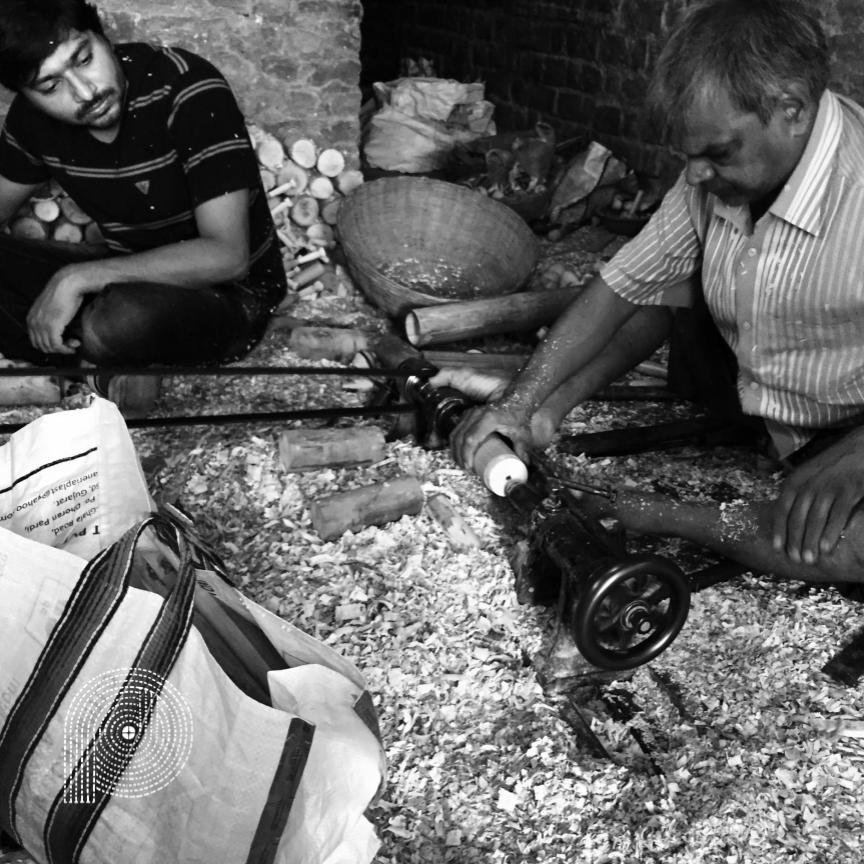
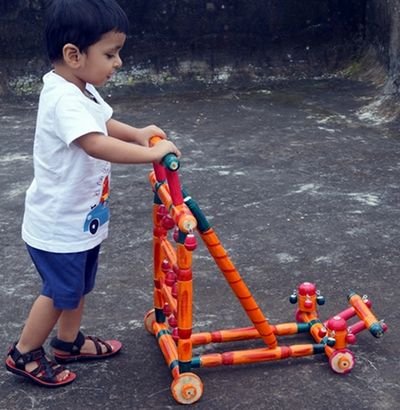
As a designer and a consultant with MP bamboo mission, we identified a bamboo cluster in a small village called Timarni and had linked both clusters. A training program has been imparted to the locals, we were amazed to know, these craft-men, irrespective of there educational qualification are eager to preserve their vanishing heritage, they use a material which is exponentially cheap and strong enough to replace teak wood. I am sure about, these locals will emerge as a good name in future, looking at their capabilities
The Manual for Planning, design, implementation of bus depot for city bus operations.
A unique project aiming to develop a manual for bus depot design. “The manual for planning, design, implementation of bus depot for city bus operations.”.The project started with writing a brief with detail requirements, list of equipment, manpower requirement and input from all stakeholders. Forming a design basis agreed and approved from all, next stage was to create layouts for each areas/section as per the codes and standards followed worldwide. These layouts were then put together forming layouts of each specific functional zone and then bringing all together on a hypothetical site explaining the complete process and basis of design throughout the manual. The manual becomes a time saver and a reference book for the consultants and the operating teams involved in any bus depot design projects all over the country.
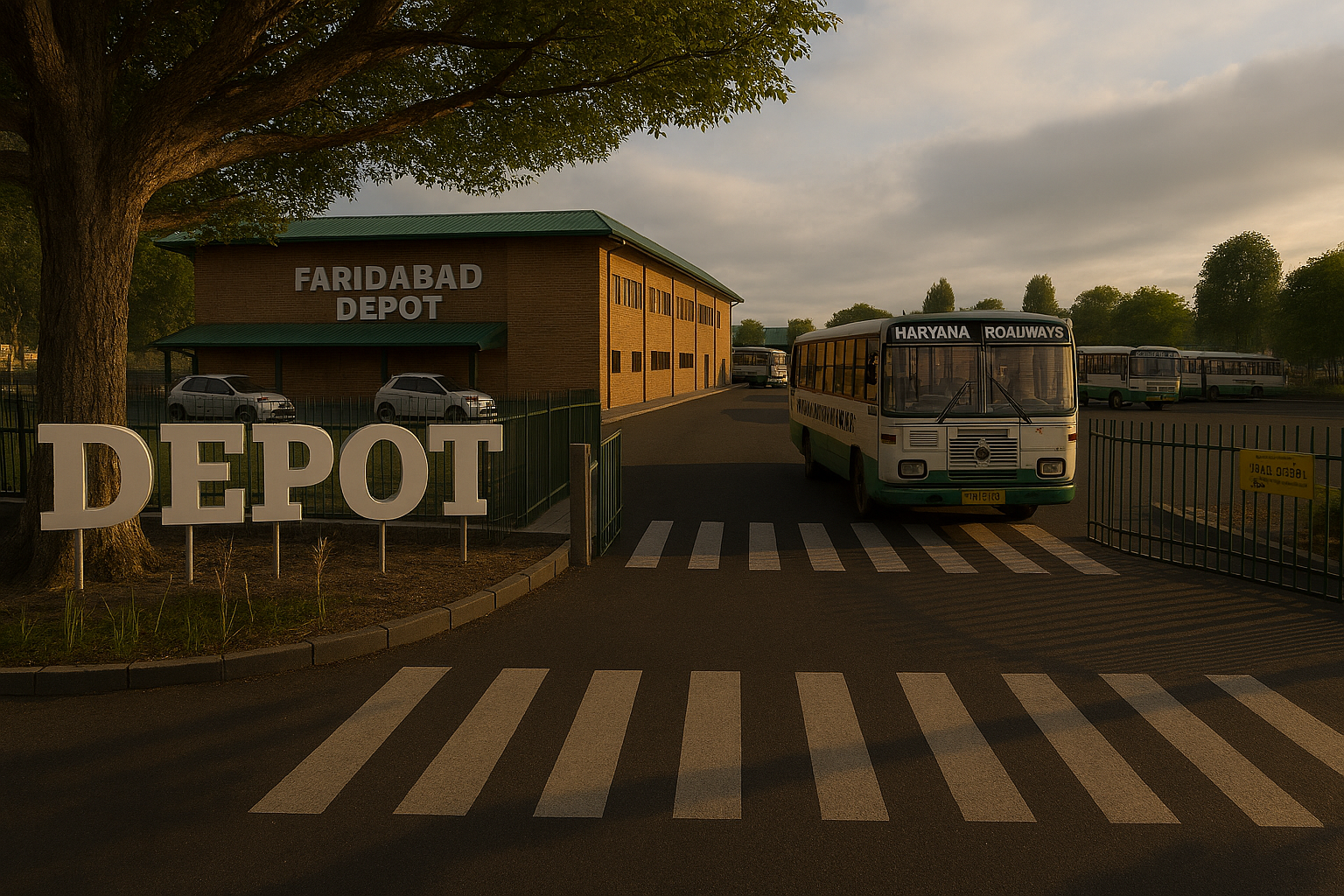
Forming the process/workflow in a space into a zoning plan fulfilling the requirements within the boundaries of codes and compliances. Hypothetical site is taken as per requirement of bus depots. Zoning has been done considering the workflow of bus depot. Admin is kept near entrance and separate parking is provided for admin users and staffs. As bus enters there is a fueling bay following the waiting space for the buses during peak time. After that there comes workshop and washing area.and then parking.
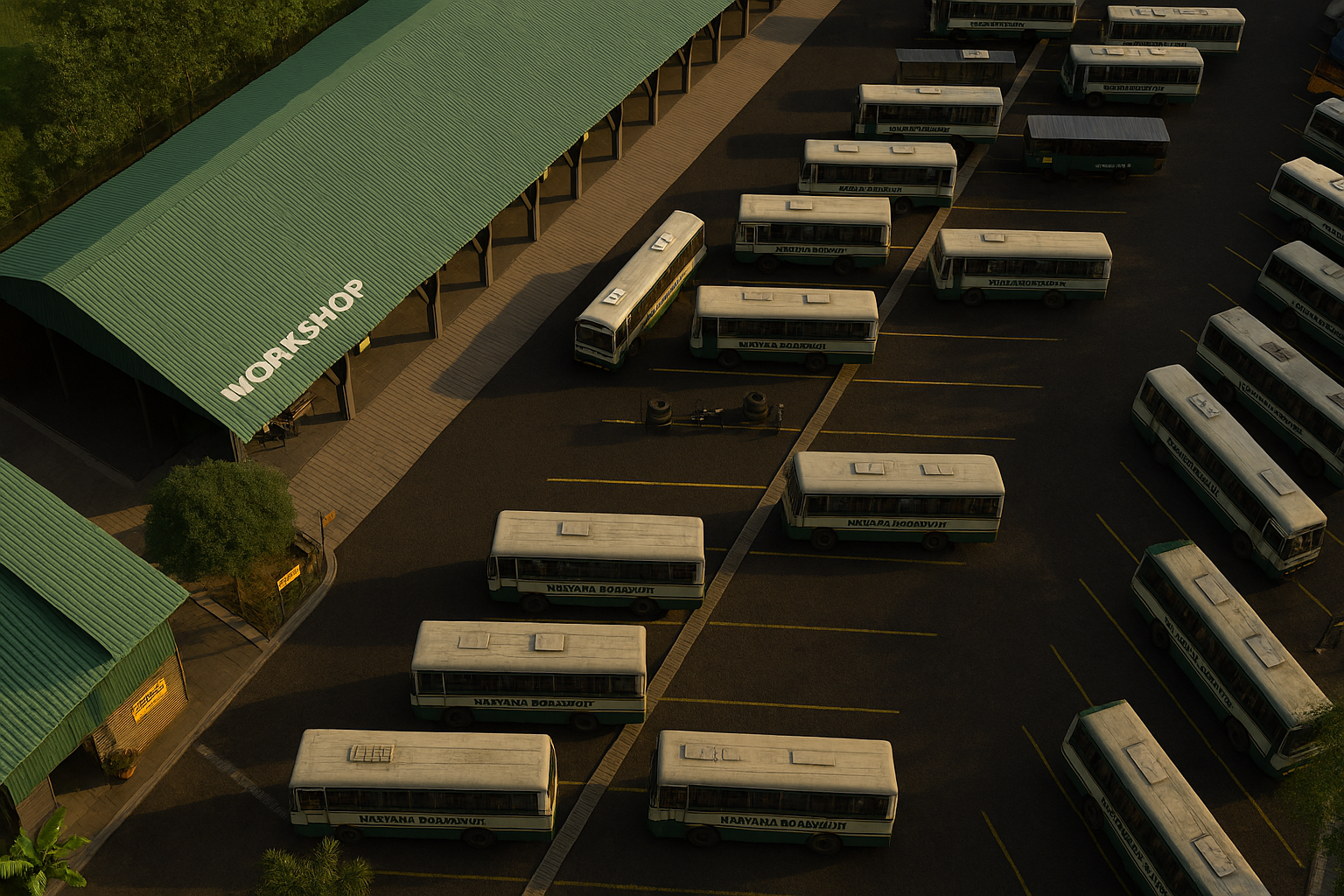
The admin is planned keeping the admin current and future operation system specific to bus depot and foot fall in different areas. More footfall areas are kept on ground floor and first floor are left for special utilities with less footfall and accommodations. The workshop are of two types mini workshop and major workshop. Different layouts has been prepared considering both. There are two type of sections as per frequency of usage. One is for periodic maintenance and other is for detailed maintenance that include engine and other detail works. The main consideration in planning circulation is to isolate human circulation with no crisscrossing of human and vehicular circulation pattern to avoid any chances of accident or clutter during peak time. Foreseeing the future scenario, BS6 DPF regeneration areas is planned separately needing more open space around the bus. Catering a broader scenario: Since there will be different bus sizes and site sizes in different scenarios, an elongated version of the bus depot layouts has been planned as per site requirement. Independent bus parking options has been planned as per varying bus numbers and sizes. There are three type of bus depot - Diesel fueling , CNG Fueling & Electric Charging. Three different layouts has been planned considering the varied requirements according to fueling area differences for Diesel, CNG and electrical. Hypothetical expansion area are provided for easy planning and future expansion.
The Ebony House
About the project:
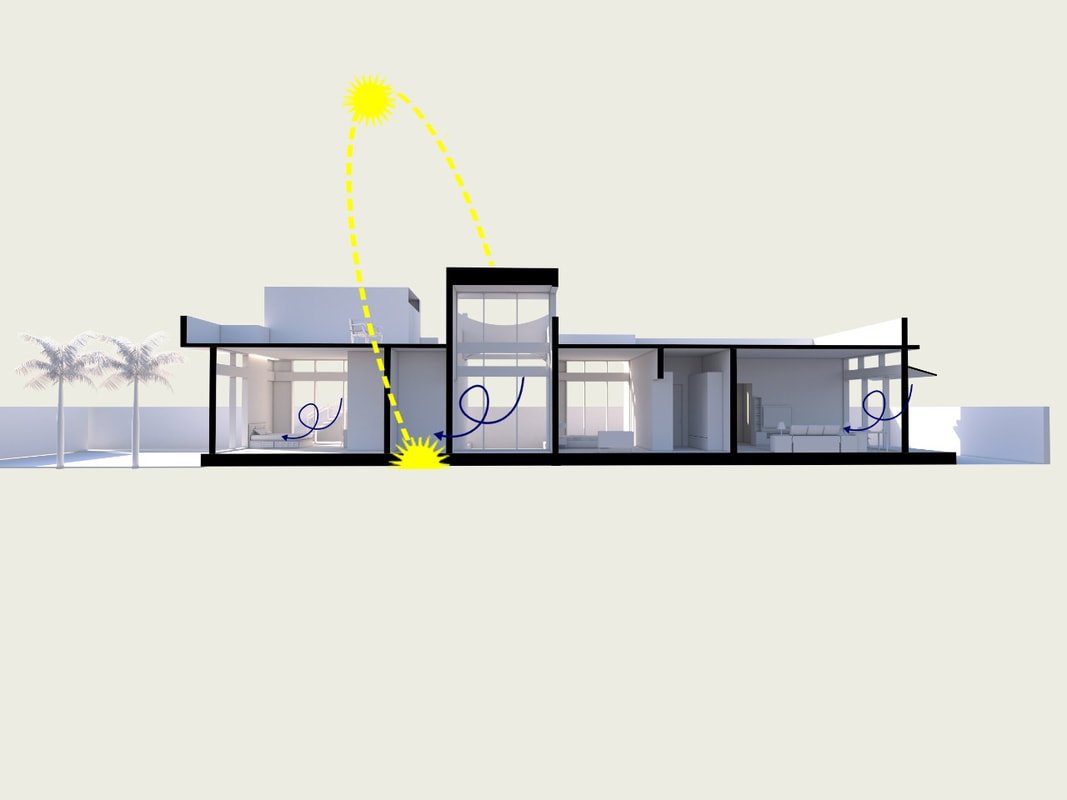
The house belongs to a businessman who wanted to create an extrovert house with each space interacting with to the landscaped area outside . Out of 1000 Sq yard the brief was to cover only 3000 Sq feet for a family of 4 adults and 2 kids. The house has a tiny and independent semi public corned for client’s mini office located on first floor well linked with a personal study and a bedroom for the owner.
Zoning of the house has been done keeping basic vastu-shastra rules in consideration along with a hierarchy of entrance and semi-public areas and towards the isolated private areas for each family member .
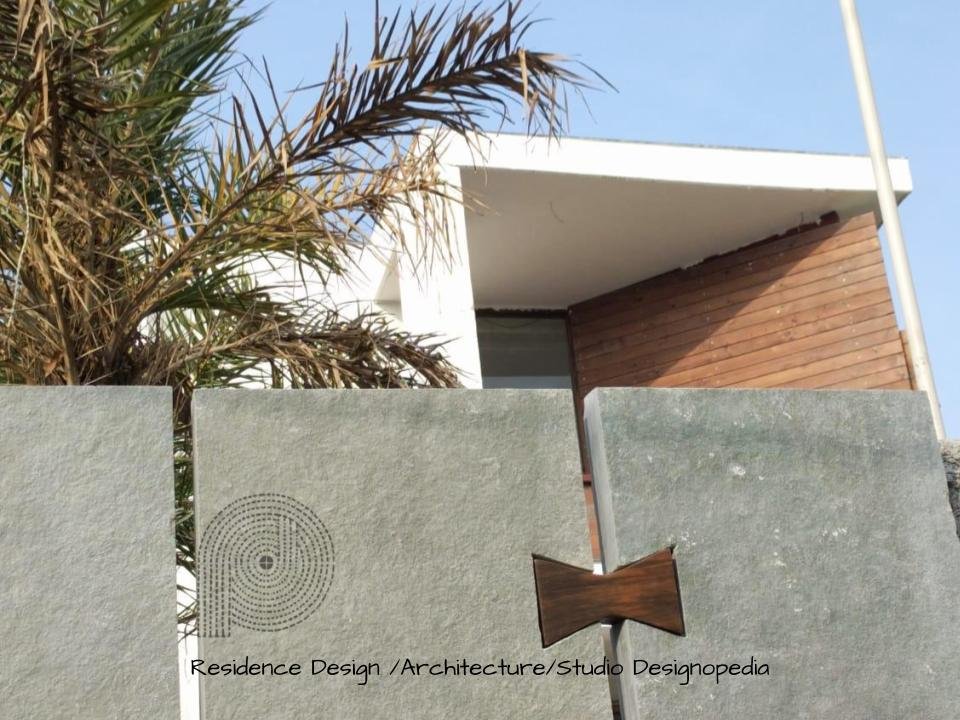
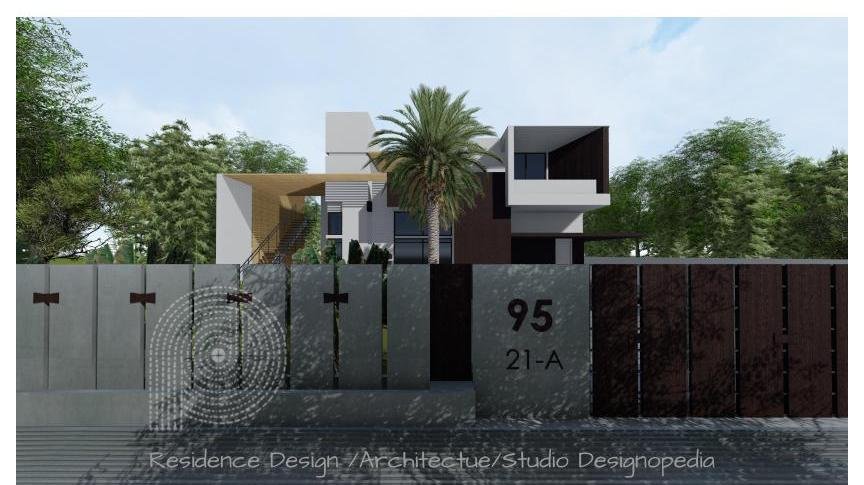
Front boundary wall is single piece stone buried in the R.C.C. Beam as an independent 7 feet tall boundary wall. One inch slits left all throughout between every plank gives a clue of entire house’s form from outside without compromising the privacy.